Finding bunion corrector shoes that combine effective support with all-day comfort can transform your daily routine. These shoes must accommodate foot irregularities without sacrificing style or durability. Featuring wide toe boxes, cushioning, and orthopedic design, the top-rated models excel in relieving pressure and enhancing mobility. Discover how these carefully engineered shoes address common bunion challenges, backed by user feedback and medical endorsements to help you make informed choices for healthier feet.
Quick Comparison of Top-Rated Bunion Corrector Shoes
When selecting the best bunion shoes, understanding their unique features and how they address bunion discomfort is critical. The bunion corrector shoe comparison highlights key aspects such as comfort ratings, orthopedic design, and medical endorsements to guide your choice effectively.
Also to see : Harnessing the Mediterranean Diet to Combat Non-Alcoholic Fatty Liver Disease: An In-Depth Guide to Health Benefits
Leading options in the market focus on combining comfort with corrective support. Many feature wide toe boxes to reduce pressure on the bunion, along with soft, breathable materials that accommodate swelling and minimize irritation. Orthopedic shoes designed specifically for bunions often incorporate adjustable straps or lacing systems to improve fit and provide stability during movement.
Comparing comfort ratings across various models provides insight into user satisfaction. Shoes receiving high marks typically excel in cushioning and offer arch support, crucial for individuals dealing with bunion pain. Furthermore, medical endorsements for some designs emphasize their therapeutic benefits, reinforcing their effectiveness beyond standard footwear.
In the same genre : Harnessing Polyphenol Potential: Can a Nutrient-Rich Diet Decelerate Parkinson’s Progression?
Considering these factors in a comprehensive bunion corrector shoe comparison assists in identifying a shoe that balances corrective function with lasting comfort. For those seeking an efficient solution, it’s beneficial to explore trusted models that meet both ergonomic and comfort standards. If you’re ready to invest in footwear that can alleviate bunion symptoms, you might want to buy bunion corrector shoes tailored to your needs.
In-Depth Reviews of the Best Bunion Corrector Shoes
Choosing the right bunion corrector shoe involves a careful balance of design, comfort technology, and expert recommendations. In this section, we explore some of the top-rated models, integrating bunion corrector shoe reviews and user feedback to provide a thorough, detailed product analysis.
Orthopedic-approved shoes designed specifically for bunion relief often incorporate maximum comfort features. These include anatomical footbeds that support natural alignment and padding that eases pressure around the bunion area. Users consistently praise such shoes for reducing pain during extended wear, highlighting comfort technology as a critical factor.
Another essential aspect is the presence of wide toe boxes combined with stretchable materials. Shoes with these characteristics accommodate the bunion’s shape without squeezing, decreasing irritation significantly. Reviewers frequently mention the enhanced freedom these designs offer, making them an ideal choice for bunion sufferers seeking both style and relief.
Cushioned soles and advanced support technology further distinguish top bunion corrector shoes. Features like shock absorption and arch support contribute to reducing impact on sensitive areas. Among the models favored by users and experts alike, those integrating memory foam and ergonomic sole technology stand out for their balance of comfort and durability.
In summary, the most effective bunion corrector shoes are those that thoughtfully combine wide toe boxes, orthopedic support, and cushioning technologies. These elements, validated by detailed product analysis and user testimonials, create footwear that truly supports foot health and comfort.
Essential Comfort Features to Seek in Bunion Corrector Shoes
When choosing bunion corrector shoes, comfort features are paramount to ensure pain relief and prevent worsening of the condition. An ergonomic design plays a critical role, beginning with a wide fit that accommodates the bunion without squeezing the forefoot. Shoes that are too narrow can cause added pressure and discomfort, defeating their corrective purpose.
Soft, high-quality materials such as memory foam insoles or gel padding reduce irritation and offer cushioning where it’s needed most. Minimizing seams inside the shoe is also essential; seams can rub against sensitive areas around the bunion and cause friction or blisters.
The sole’s supportiveness significantly impacts daily wearability. A supportive sole with proper arch alignment helps distribute weight evenly, alleviating strain on the bunion and providing stability. Additionally, padding under the heel and ball of the foot enhances comfort during prolonged standing or walking.
Breathability is another key comfort feature. Shoes made with mesh or natural fabrics allow airflow, keeping feet dry and reducing the risk of skin irritation. Flexibility in the shoe’s design ensures natural foot movement without placing additional stress on the bunion area.
By focusing on comfort features bunion shoes must have wide fit, soft materials, minimal seams, supportive soles, and breathable flexibility users can experience significant pain relief. These features collectively support healing and provide ongoing comfort. For those looking for practical solutions, a well-chosen pair of bunion corrector shoes can transform daily mobility.
Buying Guide: How to Choose the Right Bunion Corrector Shoes
Discover the essentials for selecting footwear that truly supports bunion relief and comfort.
Choosing the right bunion corrector shoes involves more than just picking a size; understanding fit and orthopedic features is crucial. Start by focusing on sizing and fitting considerations, as bunion sufferers often need shoes with wider toe boxes to prevent pressure on the bunion area. Shoes designed specifically for bunions usually offer extra depth and soft materials to accommodate foot shape changes without causing irritation.
When it comes to orthopedic shoe advice, it’s important to look for shoes that have certifications or endorsements from reputable orthopedic associations. Such certifications indicate that the shoe has met certain standards for support and comfort tailored to foot conditions like bunions. This can help you feel confident that the shoes provide therapeutic benefits beyond just style.
Price ranges for bunion shoes can vary widely depending on brand and material quality, but investing in the right pair can prevent further discomfort and even delay or negate the need for surgical intervention. Reputable retailers specializing in orthopedic or bunion shoes often provide guidance on fit and allow for returns or exchanges, ensuring you get the best match.
Fit tips to keep in mind include trying shoes later in the day when feet are slightly swollen, using orthotic inserts if recommended, and avoiding narrow or pointed styles that squeeze the toes. Properly chosen bunion shoes not only relieve pain but also improve mobility and overall foot health.
Visual Reference and Expert Tips for Selecting Bunion Shoes
Discover how to choose and care for shoes designed to ease bunion discomfort.
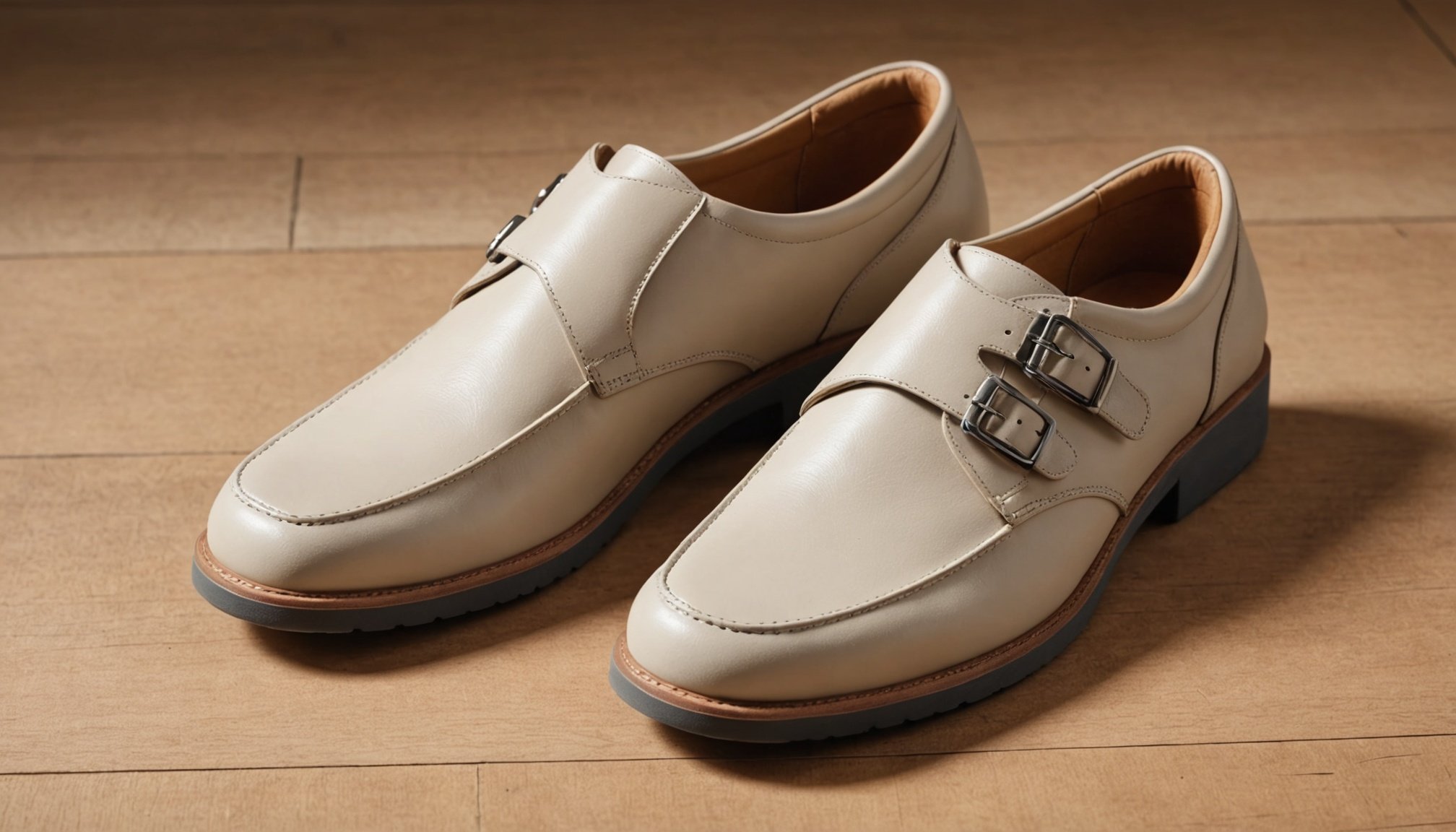
Choosing the best bunion corrector shoes begins with understanding specific shoe features that alleviate pressure and support foot health. When inspecting bunion shoe visuals, look for wide toe boxes that reduce squeezing, soft stretchable materials to minimize irritation, and firm but flexible soles for balanced support. These features are consistently recommended by podiatrists and orthopedic experts who specialize in foot care.
According to expert advice on bunion shoes, prioritizing fit over style is crucial. Shoes that conform to your foot shape without compressing the bunion provide the most relief. Orthopedic specialists often suggest shoes with removable insoles to accommodate orthotics or additional padding, enhancing protection and comfort.
Maintenance also plays a key role in preserving shoe efficacy. Cleaning shoes regularly and inspecting them for wear can prevent pressure points from developing. Experts recommend rotating bunion shoes to allow materials to recover their shape, extending their lifespan and maintaining consistent comfort.
By integrating these selection tips and care practices, you ensure sensitive feet are supported effectively.